

How to Pick the Best FC 27 Formation
Before focusing on player acquisitions, it is important to determine the best FC 27 formation for your squad. Waiting too long to decide may lead to signing players who do not fit well, negatively affecting team chemistry. Although position modifiers can sometimes help, they are not always a reliable solution.
It is also important to understand that there is no single best formation. Every formation has its strengths and weaknesses, so the key is to find one that suits your play style.
A common question is how to choose the right formation. Although there is no universal answer, several factors should be considered:
- Play Style
What is your preferred way of playing? Do you attack mainly down the wings, focus on possession, play patiently, or favour fast counter-attacks? - Preferences
Which formations are you most comfortable with and enjoy the most? Are there setups that have brought you better results in the past? - Players
Which formations suit the players you consider essential? Are your favourite players’ attributes and skills better utilised in certain setups? - Objectives
Which formations align with your Ultimate Team goals? Are you aiming to win as many matches as possible, even if it involves risks, or do you prefer consistent and safer results?
Top 5 Most Used
The most used and most famous formations are often similar. This does not necessarily mean that they are the best ones. However, if you do not know where to start, these are good options to consider:
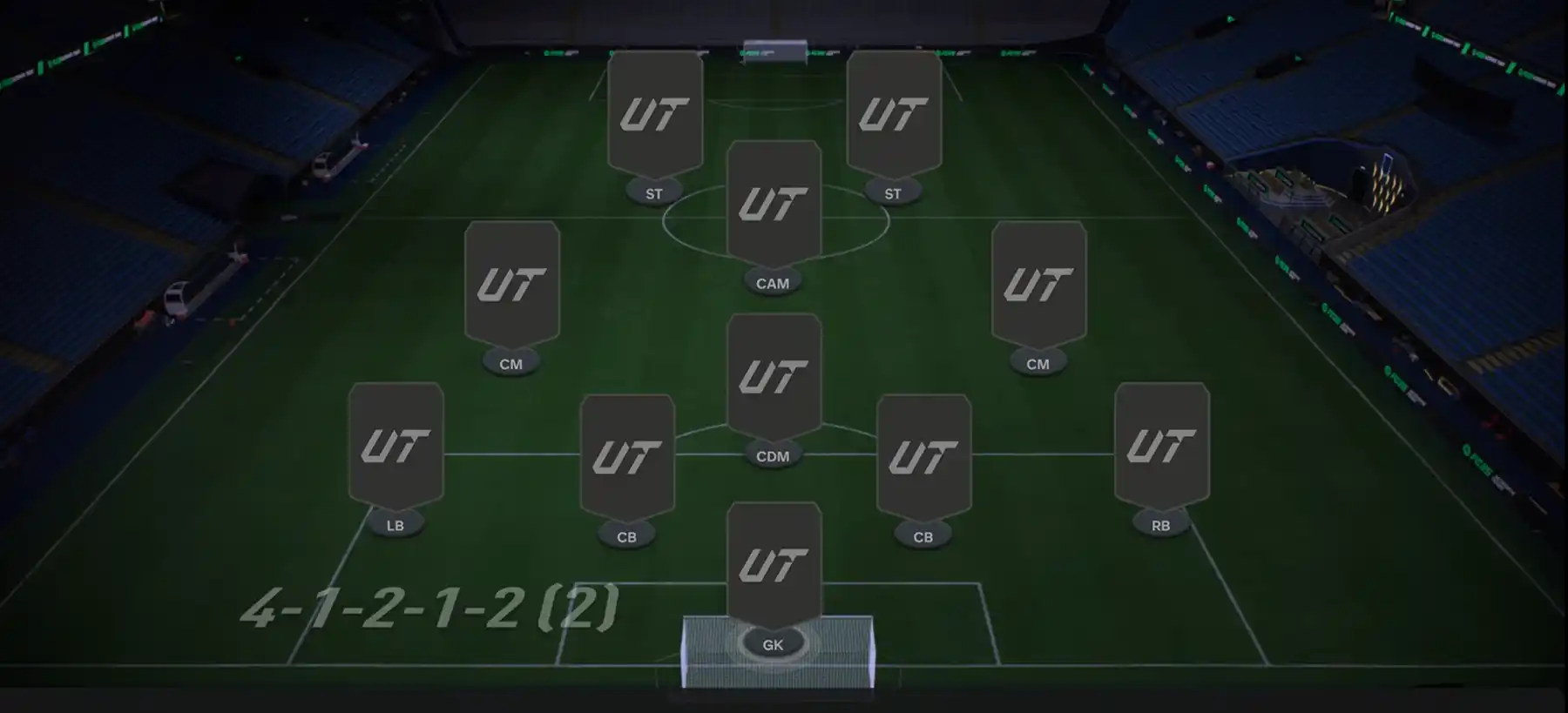
- 4-1-2-1-2 (2)
This variation of the 4-1-2-1-2 gives you strong control of the midfield. It is narrower than the original version and creates a compact diamond. - 4-3-2-1
This formation uses two forwards behind a single striker. The forwards operate in narrower positions instead of staying wide like traditional wingers. - 4-2-3-1
This popular formation offers several attacking options while retaining the defensive security of two defensive midfielders. - 4-3-3
The 4-3-3 is one of the most recognisable formations in Ultimate Team and is closely associated with possession-based football. - 4-2-1-3
This setup uses two defensive midfielders and an attacking midfielder behind the front three, providing a strong balance between protection and attacking support.
Top 5 Most Attacking
The most used attacking formation is not necessarily the best attacking formation. If you are looking for a setup suited to an attacking style, consider the following five formations:
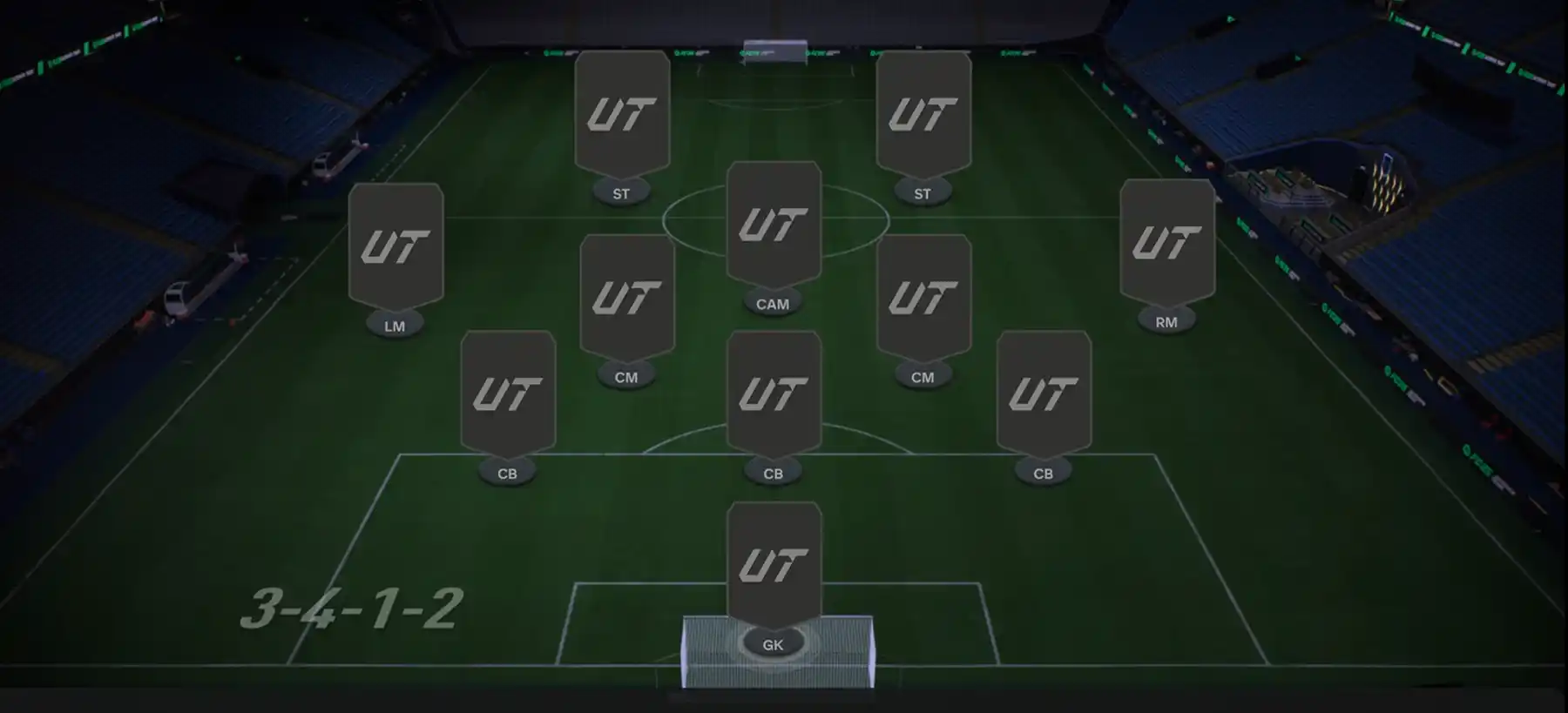
- 3-4-1-2
This formation uses three centre-backs, two wide midfielders, a central attacking midfielder and two strikers, creating several options in the final third. - 3-4-2-1
Similar to the 3-4-1-2, this formation uses two narrower attacking players behind a lone striker. - 3-4-3
This setup uses three forwards and two wide midfielders, providing width and several passing options in attack. - 3-1-4-2
A central defensive midfielder protects the back three while four midfielders support two strikers in attack. - 4-3-3 (4)
This variation of the 4-3-3 moves one midfielder into an attacking midfield position to support the front three.
Top 5 Most Defensive
The most popular defensive formation is not necessarily the best one. If you are looking for a setup suited to a defensive style, consider the following five formations:
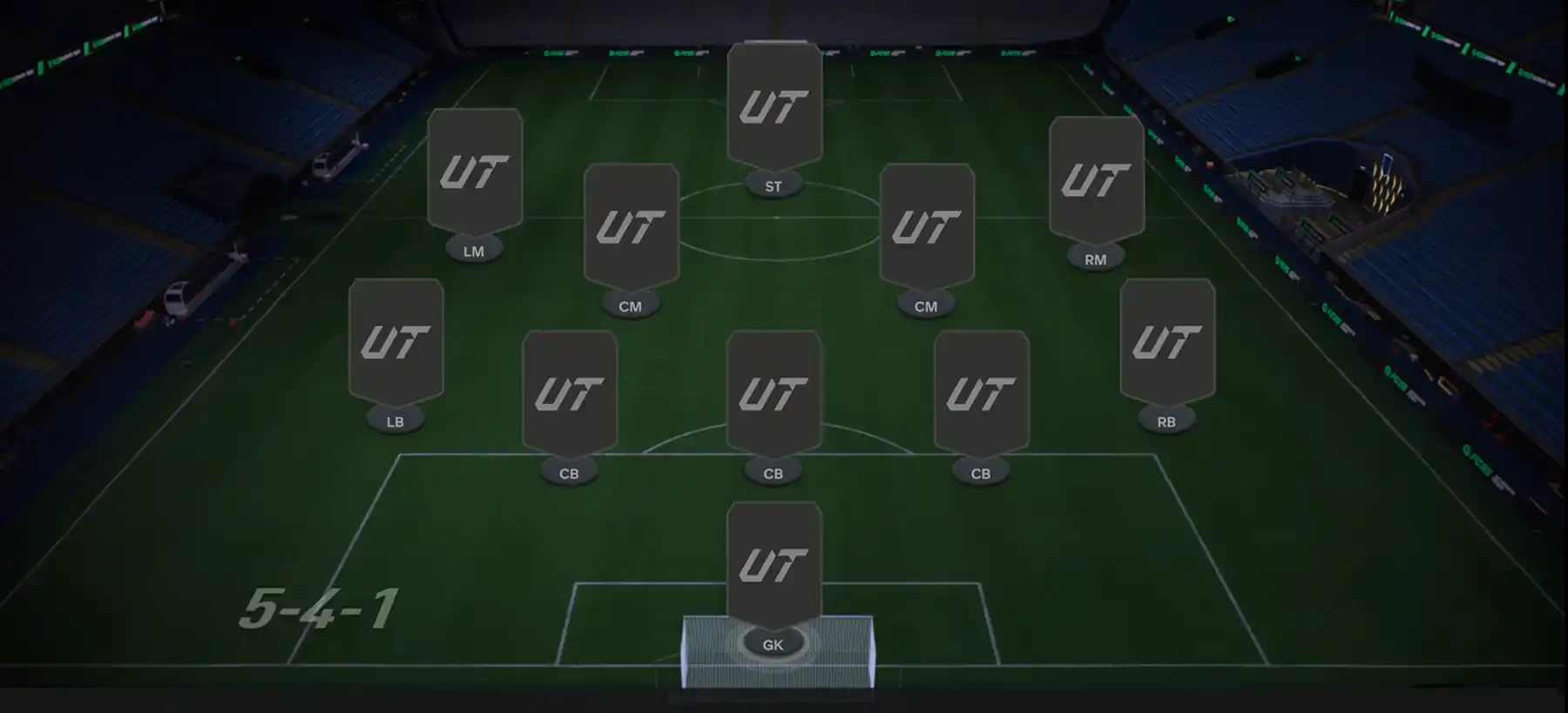
- 5-4-1
One of the most compact five-at-the-back formations, offering strong defensive structure and protection in front of goal. - 5-2-1-2
This formation uses two strikers and an attacking midfielder behind them, providing more central attacking support than other five-defender systems. - 5-3-2
A balanced five-defender formation that can become more attacking when the wing-backs move forward. - 4-3-3 (3)
This defensive variation of the 4-3-3 uses two defensive midfielders and one central midfielder. - 4-2-1-3
Similar to the 4-3-3 (3), but more attacking because it uses an attacking midfielder instead of a central midfielder.
Top 5 Counter Attacking Style
Some formations are better suited to a counter-attacking style. If this is how you prefer to play, consider the following five options:
- 5-2-3
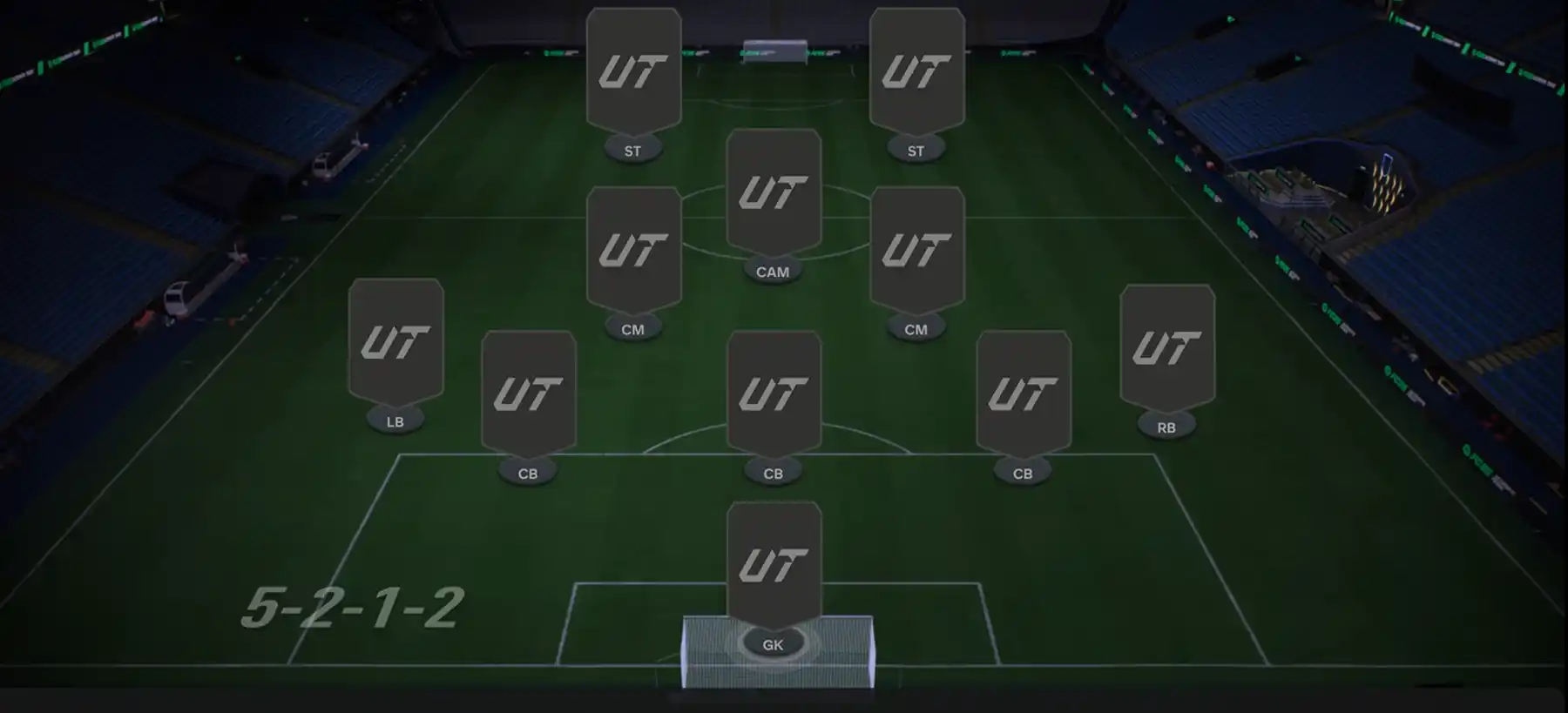
This defensive-minded formation uses two central midfielders and three attacking players, creating space for quick counter-attacks. - 5-2-1-2
With two strikers and an attacking midfielder behind them, this formation provides central options when transitioning quickly from defence to attack. - 4-2-4
This highly aggressive setup places four players in advanced positions while retaining two defensive midfielders for some protection. - 4-3-3 (2)
This variation uses a holding defensive midfielder as an anchor in front of the defence. - 4-4-2 (2)
Also known as 4-4-2 Holding, this variation replaces the usual central midfielders with two more defensive midfielders.
Top 5 Possession Style
Football Club is not played in the same way by everyone. If you prefer a passing and possession-based style, keeping the ball and building attacks patiently, consider the following five formations:
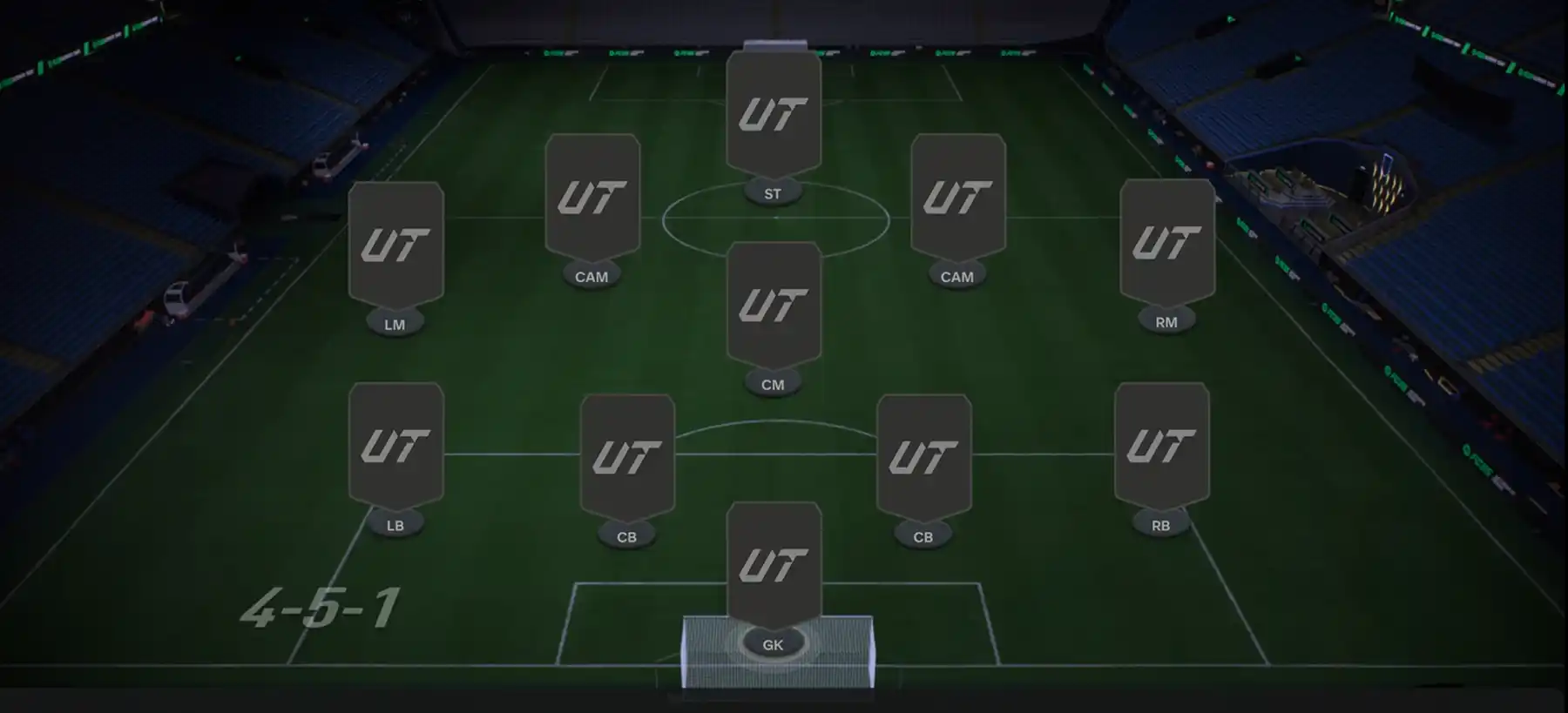
- 4-5-1
This formation places five players in midfield, including two wide midfielders supporting a lone striker. It offers several passing options during build-up play. - 4-5-1 (2)
This variation adds greater strength in central midfield. Three central midfielders can make it harder for opponents to counter and reduce the space available to attackers. - 4-1-2-1-2 (2)
This narrow diamond provides a defensive midfielder, two central midfielders and an attacking midfielder, creating several short passing options. - 4-4-1-1 (2)
A variation of the 4-4-2 with one forward playing behind the striker as an attacking midfielder. - 4-2-1-3
This formation is similar to the 4-3-3 (3), but more attacking because it uses an attacking midfielder instead of a central midfielder.
Top 5 Crossing Style
Football Club is not played in the same way by everyone. If you prefer a crossing-based style that takes advantage of the wings, consider the following five formations:
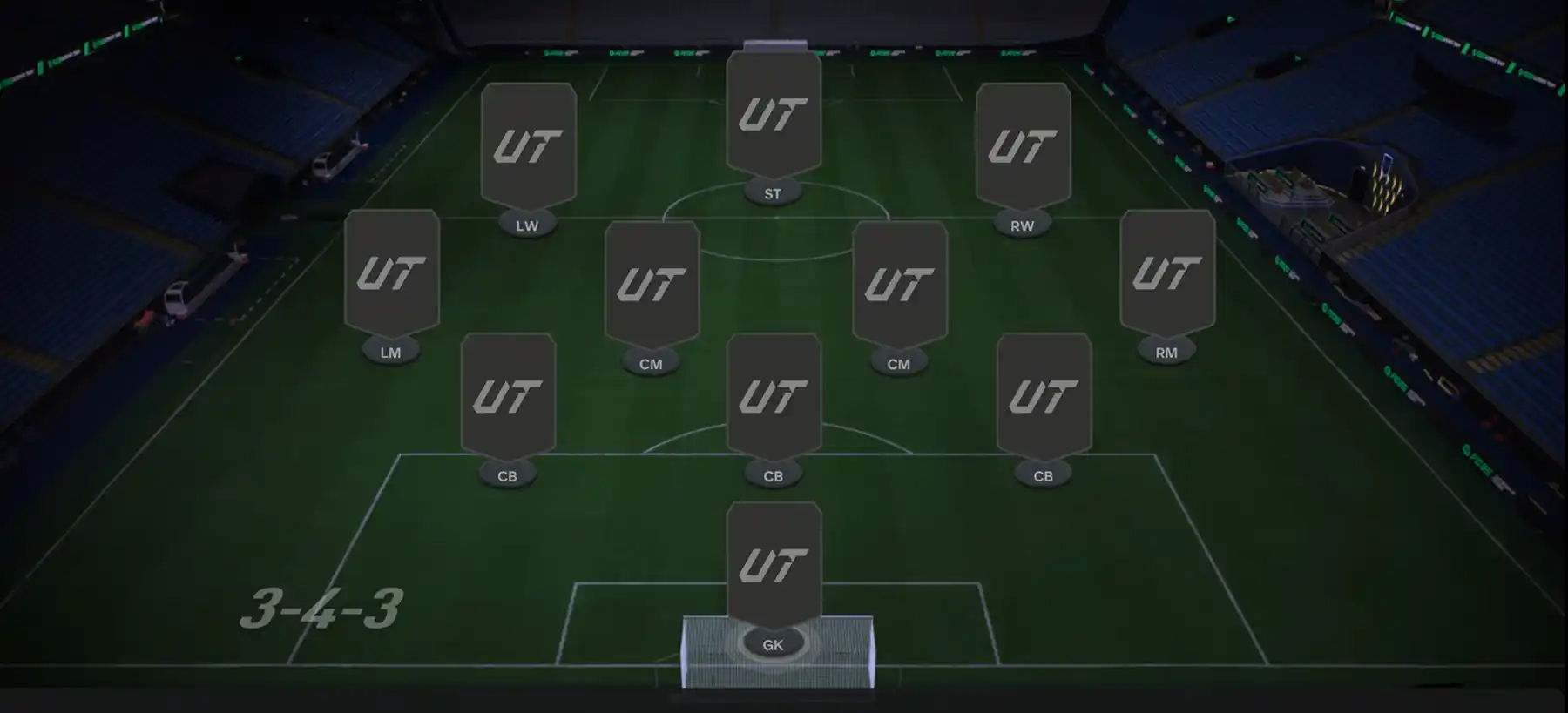
- 3-4-3
This formation uses wide midfielders and three forwards, providing natural width and several targets in the box. - 4-4-2
The classic 4-4-2 offers an organised structure, with two strikers available to attack crosses from wide areas. - 4-4-2 (2)
This more defensive variation uses two defensive midfielders while retaining two wide midfielders and two strikers. - 4-3-3
One of the most famous Ultimate Team formations, the 4-3-3 uses two wingers to provide width and crossing opportunities. - 3-4-1-2
This formation combines wide midfielders with an attacking midfielder and two strikers, giving you several options for deliveries into the box.
Our Top 5 Formations
You may already have chosen your formation, but if you have not, remember that the best option is not always the most attacking or defensive one. In many cases, a balanced formation is the most reliable choice. These are our five recommended formations for FC 27:
- 5-3-2
This balanced five-defender formation can become more attacking when the wing-backs move forward and support the midfield. - 4-1-2-1-2 (2)
This narrow diamond gives you a defensive midfielder, two central midfielders and an attacking midfielder, helping you control the centre of the pitch. - 4-3-3
One of the most recognisable formations in football, the 4-3-3 provides width through its wingers and several options in attack. - 4-4-2
The classic 4-4-2 offers a balanced structure, with two banks of four players and two strikers leading the attack. - 3-5-2
This system uses three centre-backs and relies heavily on the wing-backs to provide width and support both defence and attack.